The people
The Bafaw and the Balong are the minority with six and one villages respectively, while the Mbonge and Bakundu have 17 and 15 villages respectively

The Bafaw and the Balong are the minority with six and one villages respectively, while the Mbonge and Bakundu have 17 and 15 villages respectively
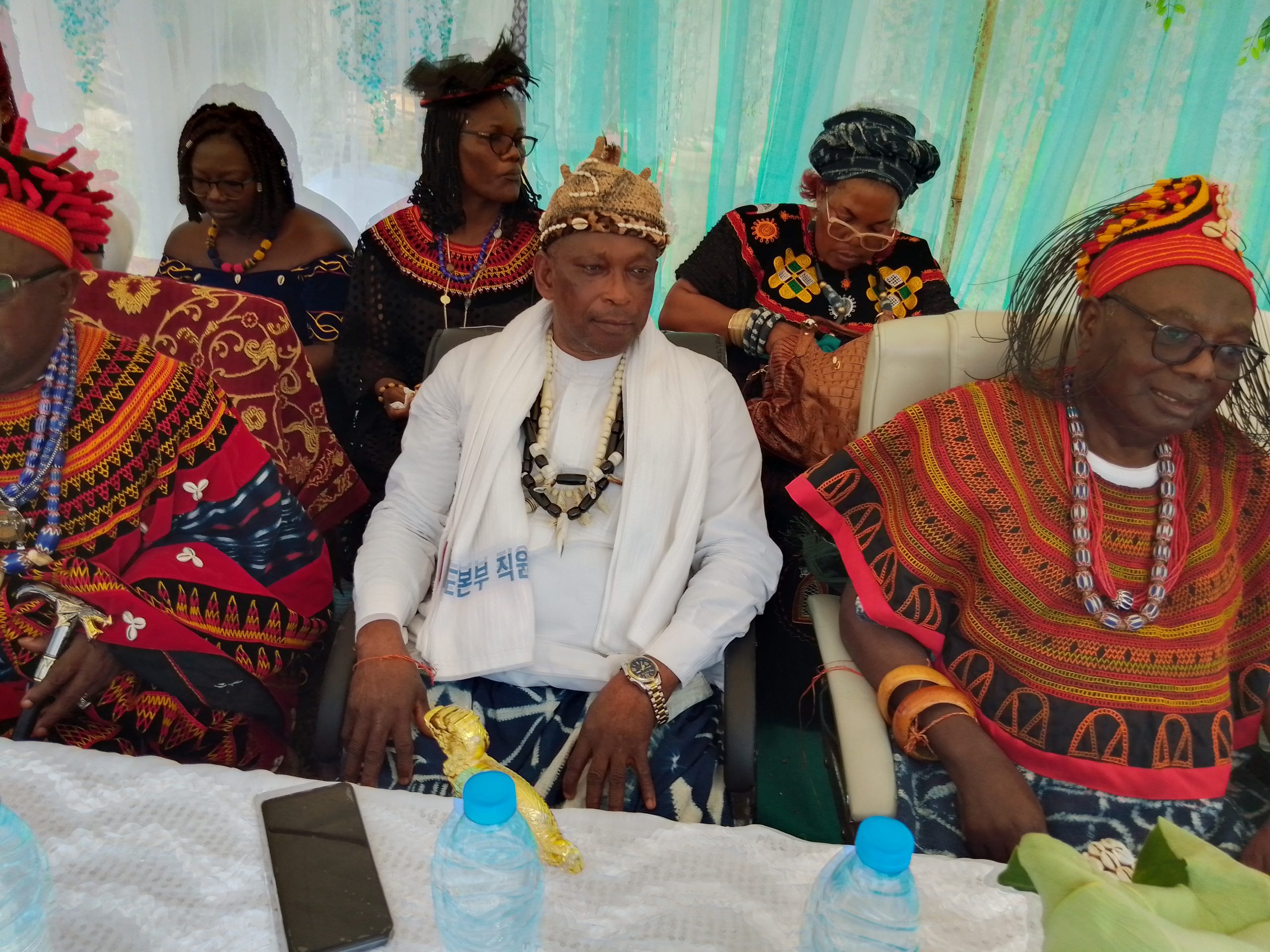
The founding fathers of Mbonge villages originated from Balue in Ndian Division. They migrated in search of fertile soil for agriculture. They founded the following villages ( Ngolo Bolo, Lobange, Illeh, Lobongi, Dikoro,Ediki Bekoli, Mbonge Meteke, Matoh Butu, Matoh, Mofako Meteke, Upper Ifanga, Ifanga Nalende, Weme, Bolo Moboka, Matondo I, Matondo II, Makobe). The founding fathers were Mokure and Bakuma.
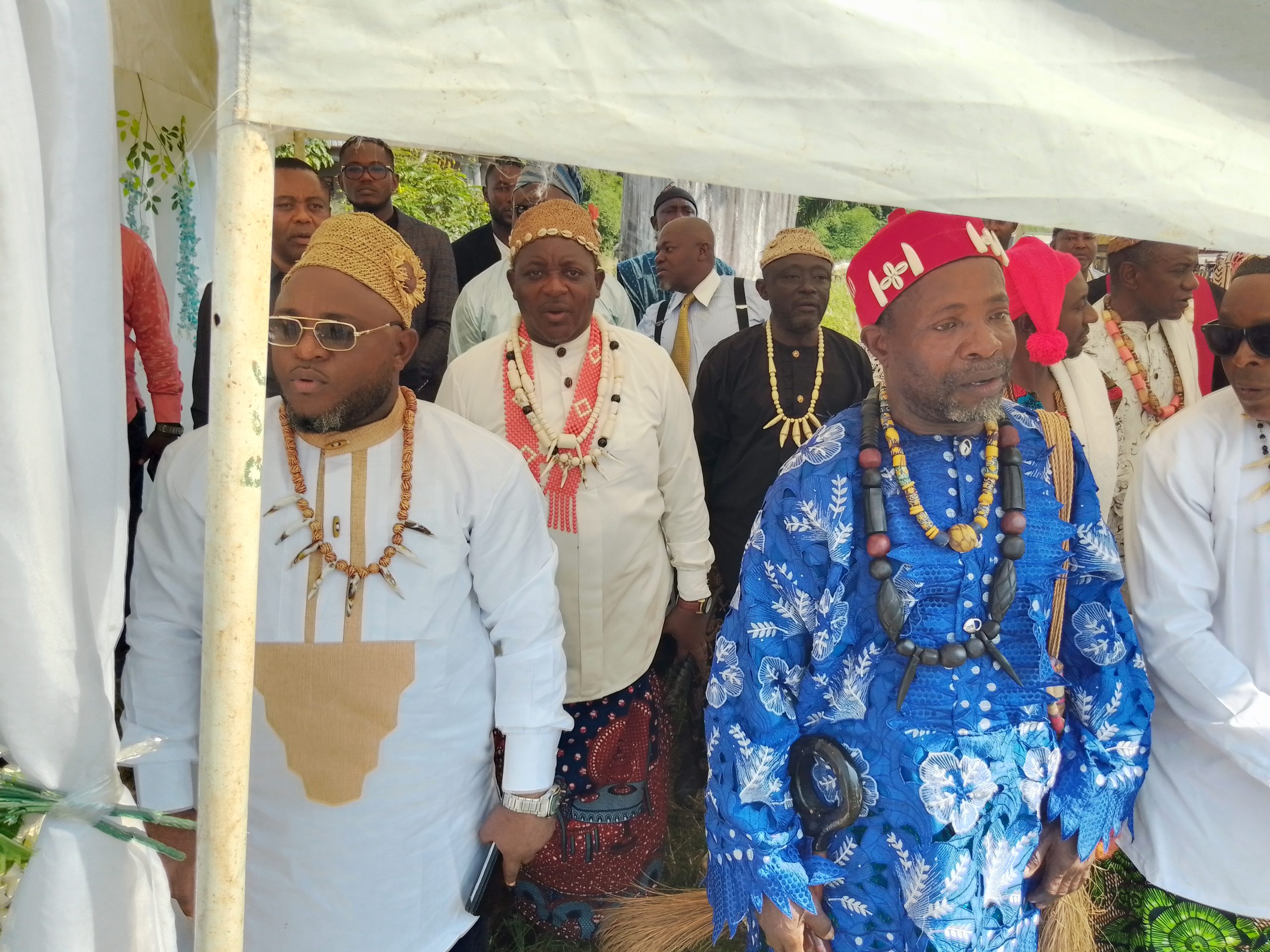
The Bakundu originated from the Congo basin around the 17th century and settled in Beboka in Ndian division. They migrated from Beboka in Ndian due to its hilly nature which made crop cultivation difficult for them and discovered the different Bakundu villages such as ( Itoki, Konye, Kumbe, Wone, Mbakwa supe, Musanja, Kokaka ,Dipenda, Koba, Mbu, Ibemi, Mwangale, Sambaliba, and Ndoi). The founding fathers were Makame Ma Ntiba, Nosueli Nwa Nasako, Nokoba Nwa Eta, Elume Na Ngoi, and Nilaze Nwa Ekozi.
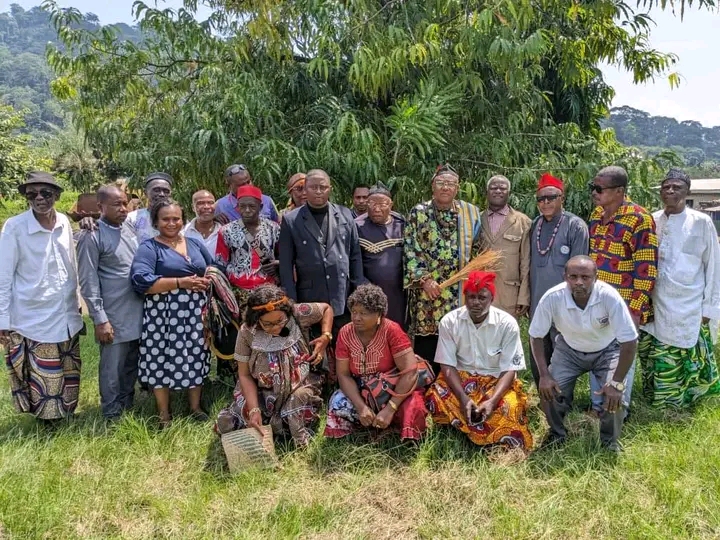
The Bafaw’s originated from the Mbo area called Masuh due to lnter-tribal wars, three brothers viz;-( Ntum, Mpowan, and Njuki) left and founded the following villages;- (Kokobuma, Ikiliwindi, Kombone, Dikomi, Kurume and Diongo). The Balong’s originated from Congo and settled around a waterfall called Ndiba Balong since they loved water. The name Baduma came as where they settled had Buma trees, so they name the place, Baduma. The founder’s name was Tangerema.
The Konye Council was established as part of the decentralization efforts initiated by the Government of Cameroon to bring governance closer to the people and enhance local development. It was carved out as a distinct administrative unit from the larger Konye Urban Council structure to better serve the specific needs of the residents within its jurisdiction.
Its creation followed the reorganization of councils across the nation, aligned with the 2004 laws on decentralization. These laws gave local governments greater autonomy in managing their affairs, particularly in areas such as infrastructure development, health, education, waste management, and local economic growth. With its seat in the heart of Meme Division, the Konye Council assumed responsibility for the central part of Konye city—often regarded as the commercial and administrative nucleus of the entire division.
Since its establishment, the Konye Council has played a pivotal role in shaping the socio-economic and cultural landscape of the municipality. It has prioritized projects aimed at improving road networks, sanitation, community health, public lighting, youth empowerment, and urban planning. Under the leadership of its elected mayors over the years, the Council has also served as a platform for participatory governance, where local voices are increasingly being integrated into decision-making processes.
Today, the Konye Council continues to function as a beacon of public service delivery and local development. It operates with a vision of transforming Konye into a modern, inclusive, and economically vibrant municipality while preserving its cultural heritage and environmental richness.

Handles the overall administrative coordination and internal operations of the council. Key Roles: Administrative Assistants Human Resources Officers Council Secretaries Legal Counsel Public Relations Officers

Responsible for town planning, infrastructure development, and spatial management. Key Roles: Town Planners Civil Engineers Architects Surveyors Environmental Officers

Focuses on maintaining public health through sanitation and waste management initiatives. Key Roles: Sanitation Officers Environmental Health Inspectors Waste Management Specialists Public Health Educators

Promotes social welfare, cultural development, and community cohesion. Key Roles: Social Workers Community Development Officers Cultural Affairs Officers Youth Officers Librarians and Archivists

Manages the council’s finances, budgeting, revenue collection, and economic development strategies. Key Roles: Accountants Budget Officers Revenue Officers Economic Development Officers Procurement Officers

Ensures the protection of council personnel, assets, and public infrastructure. Key Roles: Security Guards Security Supervisors Emergency Response Coordinators